
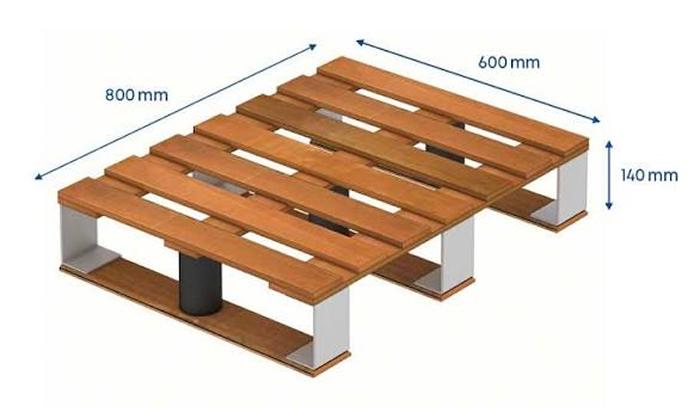
In modern warehousing management, choosing the right pallet size is a strategic link in optimizing the entire logistics system. From precise integration with warehouse racking systems to container fitting for cost savings, every decision begins with pallet specifications. Therefore, this article compiles a detailed list of the most common standard pallet sizes, helping businesses easily select the optimal solution for their warehouse infrastructure and import/export market.
The importance of choosing the right pallet size.
Choosing the right pallet size is a crucial first step for businesses to optimize shipping costs, ensure the safety of goods, and run warehouses smoothly.
- Optimize storage space: Enables flexible stacking, maximizing the height and floor area of the warehouse.
- Maximize shipping capacity: Fit perfectly into truck or container sizes, avoiding wasted space and reducing shipping costs per unit of goods.
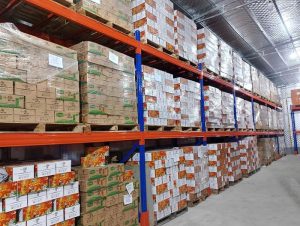
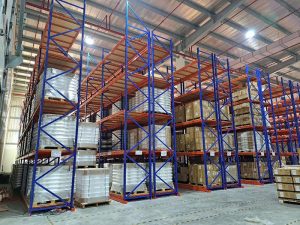
- Compatible with warehouse racking systems : Ensures even load distribution, avoiding exceeding shelf compartment dimensions which could compromise safety or damage the racking structure.
- Suitable for lifting equipment: Fully compatible with forklifts, supporting smooth loading and unloading processes and minimizing collisions.
- Protecting goods safely: Goods neatly contained within the pallet space will minimize the risk of dents, scratches, or breakage during transit.
- Standardizing logistics processes: Automating management, facilitating inventory checks, and effectively connecting with partners’ supply chains.
Standard pallet size chart for all needs
Below is a summary table of the most common standard pallet sizes currently in use, converted to centimeters and inches, along with their applications and main markets:
| Size (cm) | Region / Common Standard | Goods and corresponding application contexts |
| 120 x 100 | ISO / Vietnam & Asia | Commonly used for fast-moving consumer goods (FMCG), food, beverages, and cosmetics. Highly optimized for import and export containers. |
| 120 x 80 | EUR / EPAL (Europe) | European standard. Suitable for clothing, pharmaceuticals, retail equipment, and lightweight components. Designed to fit into narrow aisles in European warehouses. |
| 120 x 120 | Global | Suitable for large bagged goods (Jumbo/FIBC), building materials (bricks, paint, cement) or heavy machinery. |
| 121.9 x 101.6 (122 x 102) | GMA (North America / USA) | Meets US and Canadian market standards. Suitable for food, groceries, supermarket retail, and related industries. |
| 110 x 110 | JIS (Japan, South Korea) | Asian square standard. Commonly used for electronic components, chemicals, and mechanical packaging materials exported to Japan/Korea. |
| 114 x 114 | Global | Specifically designed for use in the chemical industry, drums, liquids, and industrial plastic granules. |
| 106.7 x 106.7 (107 x 107) | North America / Global | Commonly used for transporting liquids and chemicals contained in drums or IBC totes. |
| 80 x 60 | Europe | Standard half-pallet size. Suitable for direct display in supermarkets, product samples, or small parcel shipping. |
Tips for choosing the right pallet size for your needs.
Measure the actual goods to choose the size.
Pallet dimensions are based on the packaging dimensions of the boxes or cartons. Goods loaded onto the pallet should not protrude beyond the edges to avoid the risk of collisions and damage during transit. At the same time, pallets that are too wide for the goods should not be chosen, as this will reduce storage density and waste significant shipping space.
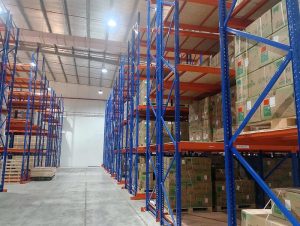
Pallet dimensions are compatible with the warehouse racking system.
Pallet dimensions must perfectly fit the depth of the rack legs and the length of the beam. Using pallets that are the wrong size for the warehouse rack design can result in dangerously loose pallets or excessively large pallets that obstruct aisles. This not only affects forklift productivity but also poses a serious workplace safety risk.
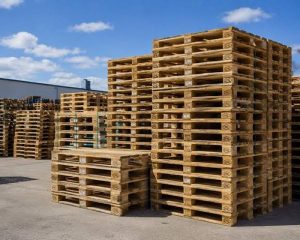
Optimized for vehicle and container sizes.
The standard container width is approximately 2.35m, so choosing pallets measuring 120 x 100 cm or 110 x 110 cm will allow for a snug fit in two parallel rows. This maximizes floor space, prevents goods from shifting or wobbling during transport, and reduces transportation costs per unit.
Pallets are compatible with existing lifting equipment.
Before purchasing, carefully check the fork width of both manual and powered pallet trucks in the warehouse. Businesses should clearly determine whether they need 2-way or 4-way lifting pallets, and whether the bottom has bracing bars. This ensures that the pallet truck can easily access, lift, lower, and turn even in the narrowest aisles of the warehouse.

Meeting the standards of the export market.
Each trading region has its own distinct pallet standards to align with its domestic supply chain. Choosing the right standard ensures quick customs clearance and easy acceptance at partner warehouses.
Calculations based on the specific characteristics of each industry.
Each type of goods requires a different pallet structure to optimize safety. For chemicals contained in drums, 114 x 114 cm square pallets are the most suitable choice for stability. Meanwhile, industries dealing with building materials, tiles, or cement are better suited to larger 120 x 120 cm pallets due to their superior load-bearing capacity.
In summary, pallet size is a fundamental factor determining warehouse operational efficiency, cargo safety, and transportation costs for businesses. Proactively understanding standard pallet specifications, from compatibility with warehouse racking systems and container trucks to regulations of each export market, will help businesses optimize their supply chain and enhance their competitiveness in the market.